
Signs your child may need more fine motor practice
Share
Fine motor skills play a huge role in a child's everyday life. They're the small movements we make using the muscles in our hands and fingers, and they're responsible for everything from holding a pencil and using scissors to buttoning clothes and opening a lunchbox.
The good news is that fine motor skills develop over time, and every child progresses at their own pace. Some children naturally develop these skills earlier than others, while some simply need more opportunities to strengthen the small muscles in their hands through everyday play.
So, how do you know if your child could benefit from a little extra fine motor practice?
They avoid colouring or drawing
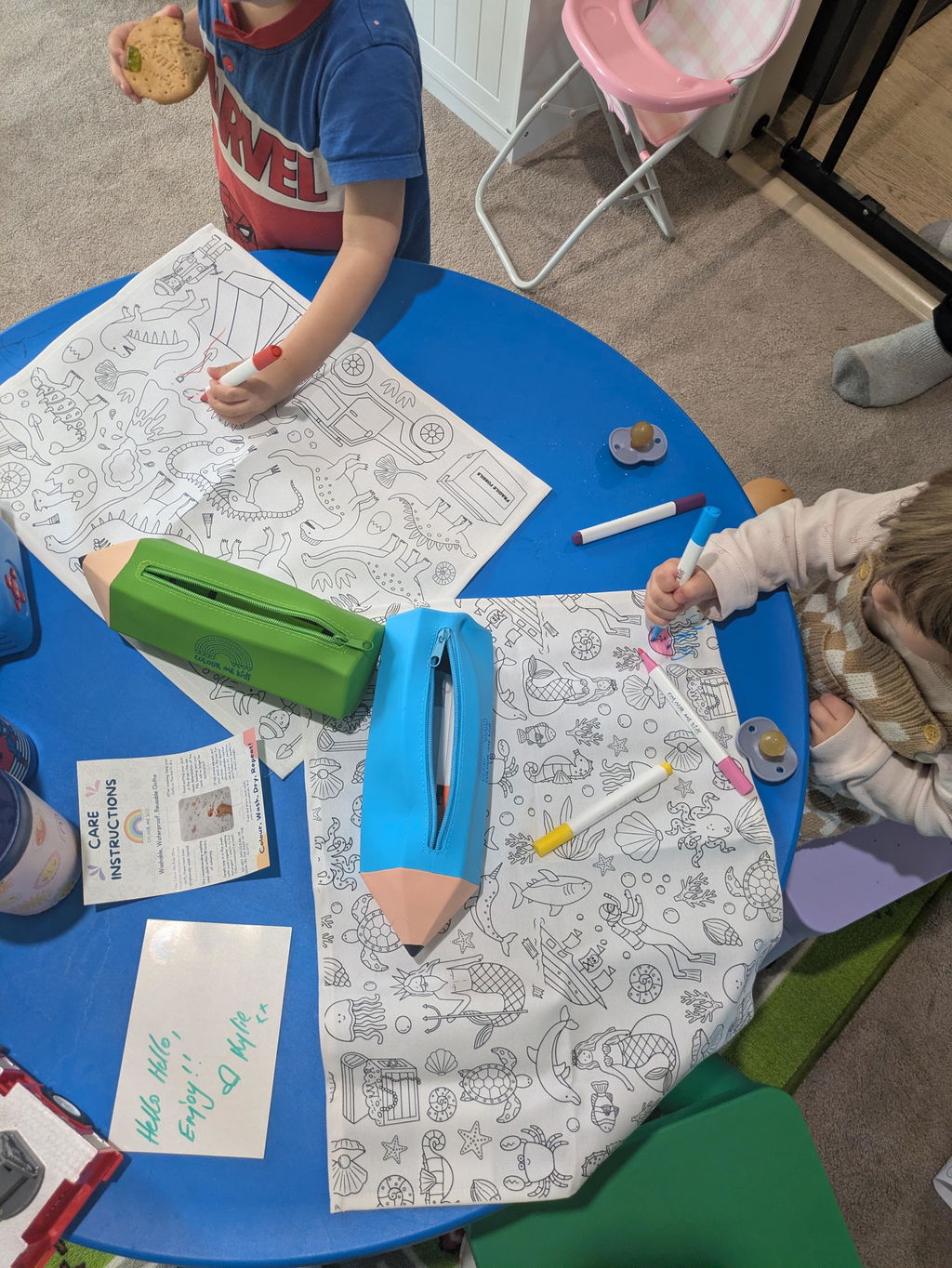
If your child quickly loses interest in colouring, says their hand is sore or avoids drawing altogether, it could be a sign that the muscles in their hands are tiring easily. Short, fun colouring sessions can gradually build strength and endurance.
They hold their pencil very tightly
Many young children are still developing an efficient pencil grip, but if your child grips the pencil extremely tightly, swaps hands frequently because they're tired or struggles to control the pencil, they may benefit from activities that strengthen their hands before focusing on handwriting.
Using scissors is difficult
Learning to use scissors takes practice, but your child should gradually become more confident opening and closing them, turning the paper and cutting along simple lines. If they find these tasks particularly challenging, more opportunities to practise cutting can make a big difference.
Everyday tasks are tricky
Fine motor skills aren't just about writing. Notice how your child manages everyday tasks like opening lunch containers, doing up zips, fastening buttons, peeling stickers or picking up small objects. If these jobs are consistently difficult, it's often a sign that their hand strength and coordination are still developing.
They become frustrated easily
Sometimes the biggest clue isn't what children can or can't do - it's how they feel about doing it. If your child becomes frustrated, gives up quickly or avoids activities that involve using their hands, they may simply need more practice in a fun, low-pressure environment.
What can you do?
The best part is that improving fine motor skills doesn't require formal lessons or worksheets. Children strengthen their hands every time they:
- Colour or draw
- Play with playdough
- Build with Lego or blocks
- Thread beads
- Cut with scissors
- Use tweezers or tongs to pick up and move pom-poms
- Complete puzzles
- Peel and stick stickers
- Help with baking by stirring, rolling or kneading dough
The more these activities feel like play, the more likely children are to enjoy them - and the more practice they'll naturally get.
If your child finds some of these skills challenging, there's no need to panic. Fine motor development is a journey, and every child gets there in their own time. The key is providing regular opportunities to practise through fun, hands-on activities rather than putting pressure on perfect results.
With patience, encouragement and plenty of playful practice, those little hands will continue to grow stronger, more coordinated and more confident, ready for all the learning adventures ahead!