
10 things teachers wish every parent knew before their child starts school
Share
Starting school is one of the biggest milestones in a child's life. It's exciting, emotional, and often a little overwhelming - for children and parents alike.
As teachers, we know that every child starts school with different experiences, strengths and challenges. We don't expect children to know how to read, write or solve maths problems before they walk through the classroom door. That's our job, and it's one we love.
What makes the biggest difference isn't whether a child can recite the alphabet or count to 100. It's whether they have the everyday life skills that help them feel confident, independent and ready to learn.
Here are the things teachers secretly (and not-so-secretly!) wish every parent knew before their child starts school.
1. Independence is more valuable than knowing the alphabet
One of the biggest surprises for many parents is that independence matters far more than academic knowledge in those first few weeks.
Imagine helping 25 children unpack their bags, find their lunchboxes, open every packet, zip up every jacket and tie every shoelace. That's a lot of little jobs before learning has even begun!
Children don't need to be perfect, but they should be practising how to:
- Pack and unpack their own school bag.
- Put their lunchbox and drink bottle away.
- Open all the containers and wrappers in their lunch independently.
- Dress themselves, including putting on shoes and socks.
- Zip up jackets.
- Turn jumpers or cardigans the right way around if they've taken them off.
- Put hats on correctly.
- Carry their own belongings.
These everyday skills build confidence and help children feel capable from day one.
2. A correct pencil grip makes learning to write so much easier
Many parents spend time helping their child write letters before school, but one thing often gets overlooked - the way they're actually holding the pencil.
An inefficient pencil grip can make writing tiring, uncomfortable and frustrating. Once a grip becomes a habit, it can also be surprisingly difficult to change.
Before school, encourage your child to:
- Hold pencils using a tripod grip (thumb, index finger and middle finger).
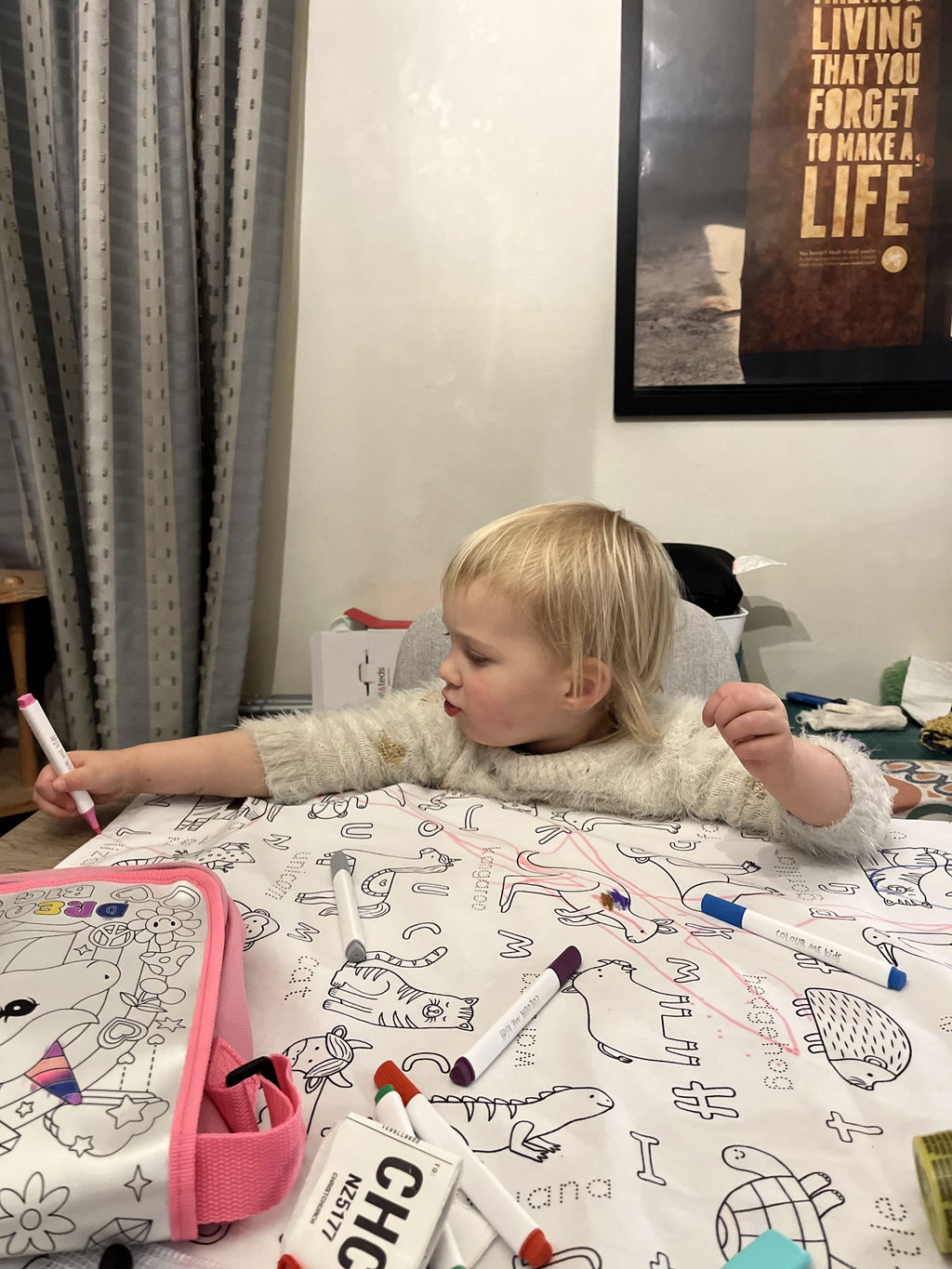
- Colour and draw regularly.
- Trace lines, shapes and simple patterns.
- Use shorter pencils or crayons, which naturally encourage a better grip.
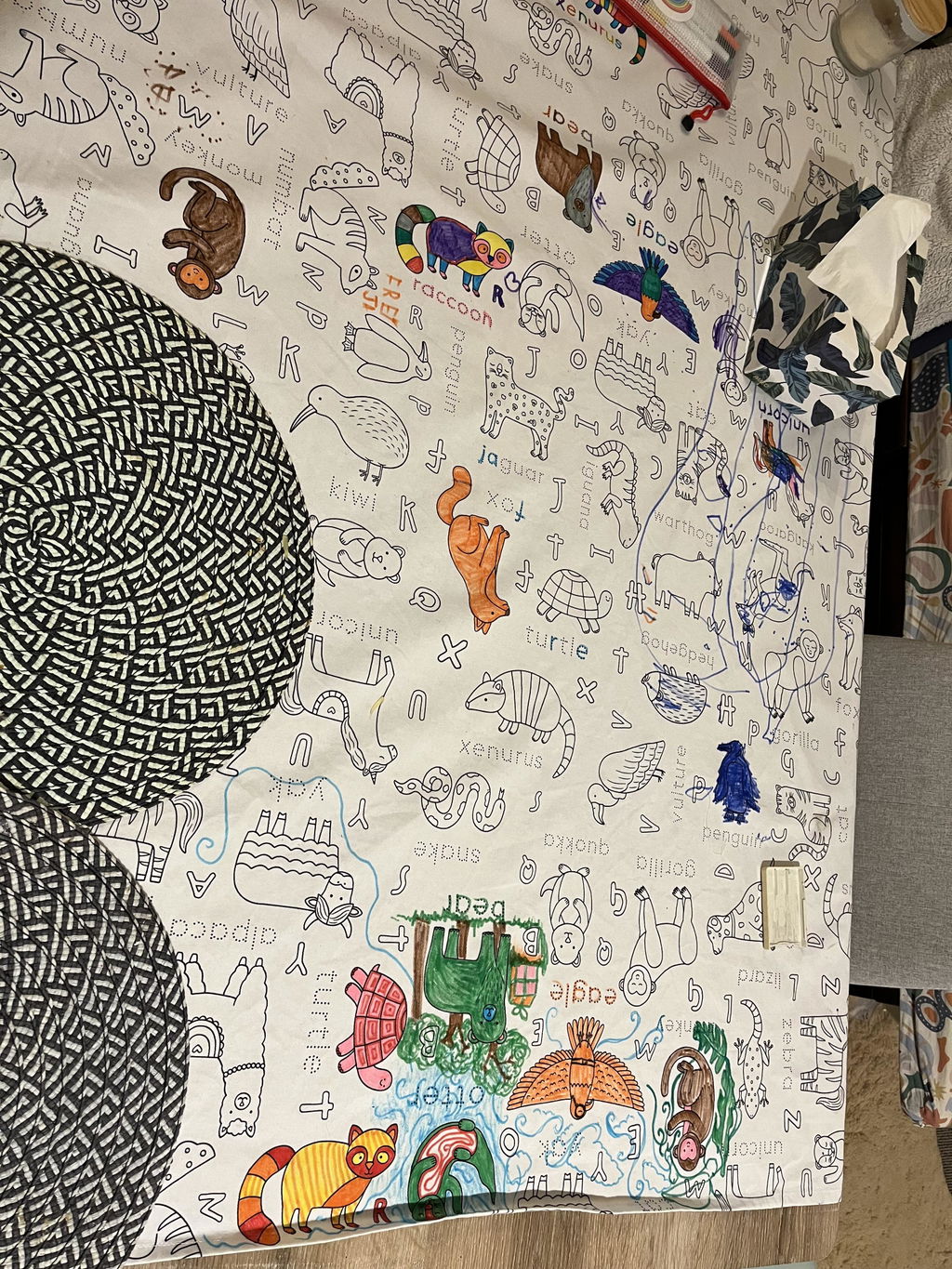
Remember, colouring is far more than just keeping children busy. It develops the tiny muscles in their hands that they'll use for writing every single day.
3. Scissors are a learning tool - not just a craft activity
Cutting with scissors is one of the most important fine motor skills children develop before school. Don't be afraid to let your child use scissors!
Learning to cut strengthens hand muscles, improves coordination and teaches children to use both hands together - a skill needed for writing.
Children don't need to cut perfectly straight lines, but they should have plenty of opportunities to practise.
Try cutting:
- Straight lines
- Zig-zag lines
- Curved lines
- Simple shapes
- Pictures from old magazines
- Playdough "snakes"
And remember to teach them how to safely carry scissors and pass them to another person.
4. Recognising their own name is incredibly helpful
Children don't need to be able to write their name perfectly before school. What is helpful is being able to recognise it.
Their name will be everywhere:
- Their bag
- Their lunchbox
- Their artwork
- Their learning groups
- Their book box
- Their belongings (YES!! Please please please name every single piece of clothing you send your child to school in!)
Being able to quickly identify their own name helps children become more independent throughout the day.
An easy way to practise is by writing their name on artwork, lunch notes or magnetic labels around the house.
5. Please let them struggle a little
This one can be hard. As parents, our instinct is to jump in and help... But every time we do something for our child that they could almost do themselves, we accidentally take away an opportunity to build independence.
It's okay if:
- It takes five minutes to put shoes on
- Their jacket zip gets stuck
- They need to try turning their jumper around three times
- Their lunchbox takes a while to open
The confidence that comes from saying, "I did it myself!" is worth every extra minute.
6. Fine motor skills matter more than worksheets
Many parents buy preschool workbooks thinking they're giving their child a head start.
In reality, the strongest foundation for handwriting (which is needed for almost every aspect of a school day) is developing strong hands.
Some fantastic activities include:
- Playdough
- Lego
- Threading beads
- Pegs on a washing line
- Tweezers and pom-poms
- Stickers
- Puzzles
- Building blocks
- Colouring
- Painting
- Tearing and scrunching paper
These activities strengthen the muscles children need for handwriting while still feeling like play.
7. Teach them to ask for help
Teachers absolutely expect children to need help! But we can't help if we don't know they need it.
Encourage your child to use simple phrases like:
- "Can you help me?"
- "I'm stuck."
- "I don't understand."
- "Can I have a turn?"
- "Can I go to the toilet?"
Learning to speak up is a life skill that will serve them well long beyond their first year of school.
8. Practise everyday routines
School days move quickly. The more familiar children are with routines, the more settled they'll feel.
Practise things like:
- Washing hands properly.
- Going to the toilet independently.
- Blowing their nose.
- Putting rubbish in the bin.
- Drinking from a water bottle.
- Sitting for short periods while listening to a story.
- Packing away toys before moving to the next activity.
None of these seem like big skills on their own, but together they make a huge difference.
9. Read together every single day
If there was one thing every teacher could recommend, it would be reading together.
Reading aloud to your child:
- Builds vocabulary.
- Improves listening skills.
- Develops comprehension.
- Sparks imagination.
- Encourages conversation.
- Creates positive associations with books.
And the best part? You don't need to turn it into a lesson. Simply enjoy the story.
Ask questions like:
- "What do you think will happen next?"
- "How do you think they feel?"
- "What was your favourite part?"
These conversations build the comprehension skills children need for future reading success.
10. Confidence beats perfection
Perhaps the biggest misconception about starting school is that children need to know everything before they arrive.
They don't.
Teachers are there to teach. What helps children thrive is feeling confident enough to have a go, make mistakes, ask questions and keep trying.
The children who settle most successfully aren't always the ones who know the most - they're often the ones who are willing to try.
The Bottom Line
Before your child starts school, don't worry if they don't know all the alphabet letters and sounds, or solve maths equations.
Instead, focus on helping them become capable, curious and independent.
- Teach them to pack their own bag.
- Let them practise using scissors.
- Encourage a correct pencil grip.
- Read together every day.
- Give them opportunities to solve little problems on their own.
Most importantly, let them know that school is a place where it's okay not to know everything yet. Because that's exactly what teachers are there for.
At Colour Me Kids, we believe that learning starts long before children step into a classroom. Through colouring, drawing, cutting, creating and plenty of screen-free play, children naturally develop the fine motor skills, independence and confidence they'll rely on during those important first years of school. Sometimes, the best preparation doesn't look like "schoolwork" at all - it simply looks like play!